In Australia, the long-held belief that people should retire at 65 is being seriously questioned as policymakers, economists, and regular workers discuss major changes to the retirement age that will begin in February 2026. The government is looking into how long the traditional retirement model can last because Australians are living longer and the cost of funding public benefits is going up. This conversation feels personal to a lot of people who are about to retire. Questions about who can get superannuation, who can get it, and how to make sure your income is stable for the long term are no longer just ideas. They are affecting real financial decisions all over the country.
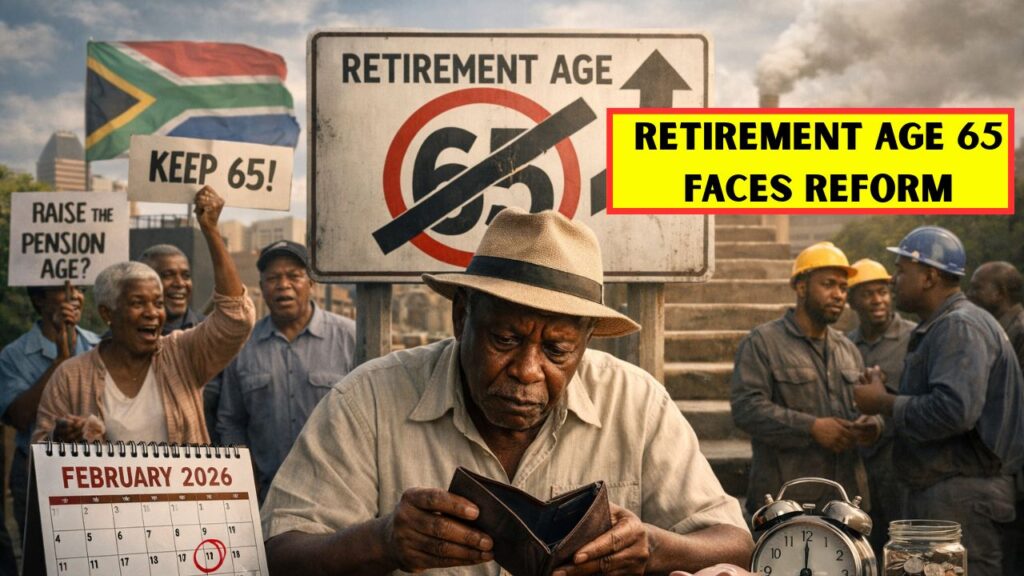
Goodbye to retiring at 65 as Australia looks at the pension age.
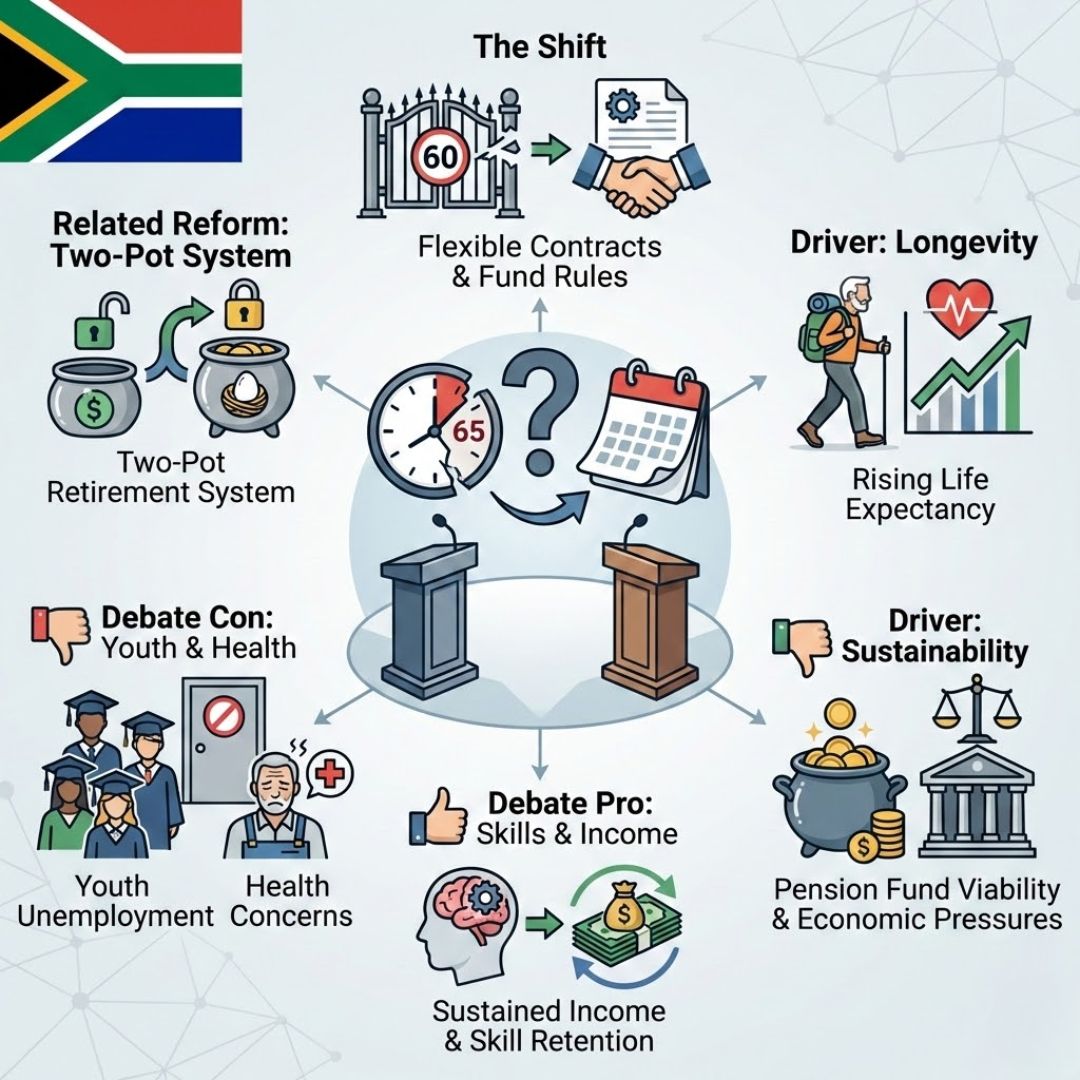
The debate over changing Australia’s pension age is heating up.Starting in February 2026, consultations and discussions in Parliament are expected to get more intense, making pension reform the main topic of conversation in the country. Analysts point to changes in demographics, such as a smaller tax base and a greater reliance on public pension funding. Unions and advocacy groups also say that income inequality could get worse if reforms happen too quickly. The government has hinted at temporary measures, which could include changing the “super access rules” or giving people who put off retirement extra money. For people with middle incomes, it is very important to understand these proposals. Even small changes to the eligibility timelines could have a big impact on the expected benefits and overall financial security outlook in the years to come.
 SASSA Bonus Grants 2026 Explained With Payment Schedules and Verification - What Beneficiaries Need
 What February 2026 Could Mean for People Who Want to Retire
February 2026 is a turning point in how Australians think about retirement milestones, even though no final law has been passed yet. Financial advisers are telling their clients to get ready for “flexible retirement pathways” instead of a set age to leave. Some proposals look into phased retirement options, which combine part-time work with partial pension access to keep income streams steady. Some people talk about making retraining programs bigger to help older workers find jobs in fields that aren’t as physically demanding. In the end, the direction chosen will affect how people handle their savings and how they react to changes in economic policy. The message is clear: planning ahead is no longer a choice; it’s necessary.
Wider Effects of the Pension Age Reform Discussion
The debate over the retirement age goes beyond personal finances and affects the whole Australian economy. A later pension age might ease the burden on the government, but it could also change the job market and how generations interact with each other. Younger workers are worried about their careers moving too slowly, while older Australians want things to be clear and stable. Policymakers need to find a balance between the economic resilience strategy and fairness in society. If done carefully, reforms could make pensions more stable in the long term. But sudden changes could hurt people’s trust. As February 2026 gets closer, clear communication and a slow rollout will be important for keeping people’s faith in Australia’s retirement system.
Questions That Are Often Asked (FAQs)
1. Is retirement at 65 officially ending in Australia?
No, but policymakers are reviewing whether the pension age should increase further beyond current settings.

2. When will changes take effect?
Discussions intensify from February 2026, though any legislative changes would follow parliamentary approval.
3. Will superannuation rules also change?
There are discussions about aligning super access with pension age reforms, but no confirmed changes yet.
4. How should Australians prepare?
Review retirement plans, seek financial advice, and consider flexible income strategies in case eligibility ages shift.