The way South Africa helps people in need will change a lot. Starting in February 2026, the old one-size-fits-all method for deciding who gets grants and reviews will be replaced by smarter welfare assessments. The government says the goal is to make the process more fair and responsive, since millions of people rely on SASSA grants. Instead of using broad categories that don’t take individual situations into account, the new system is meant to better show changes in income, household realities, and levels of vulnerability across South Africa.

Standard Grant Rules Are Replaced by Smarter SASSA Welfare Assessments
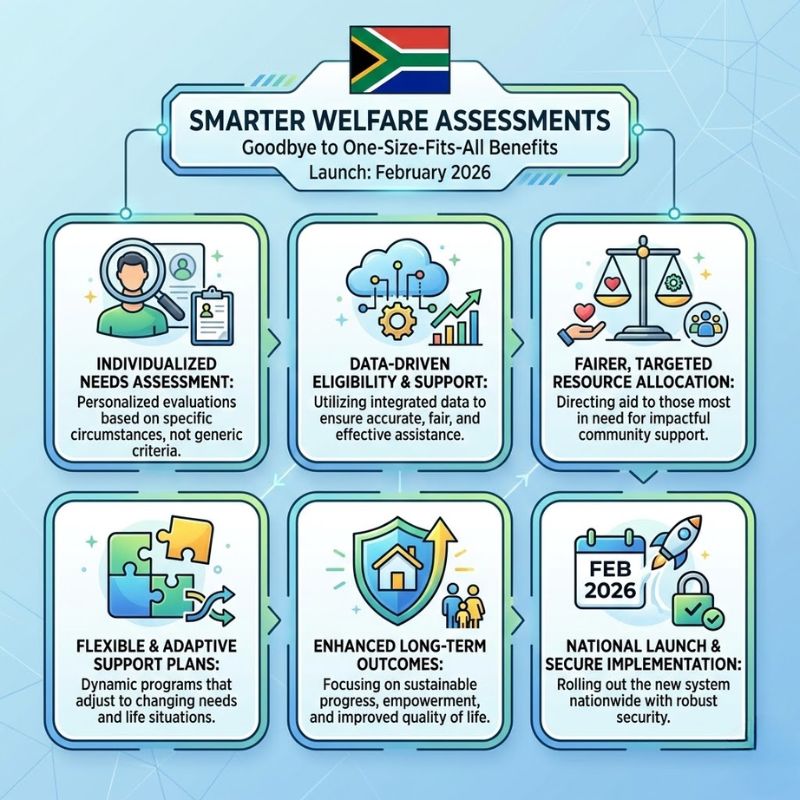
For a long time, strict income limits and paperwork that didn’t change decided if you could get a grant. The changes that will happen in February 2026 will make SASSA’s income checks more accurate and bring them closer to being done in real time. This means that there will be fewer decisions that apply to everyone and more evaluations of grants that are based on each applicant’s unique situation. Officials believe that the change will reduce errors caused by outdated information and make systems for preventing fraud more effective. To make sure that help goes to families that really need it, the government is using adaptive eligibility screening instead of just fixed criteria.
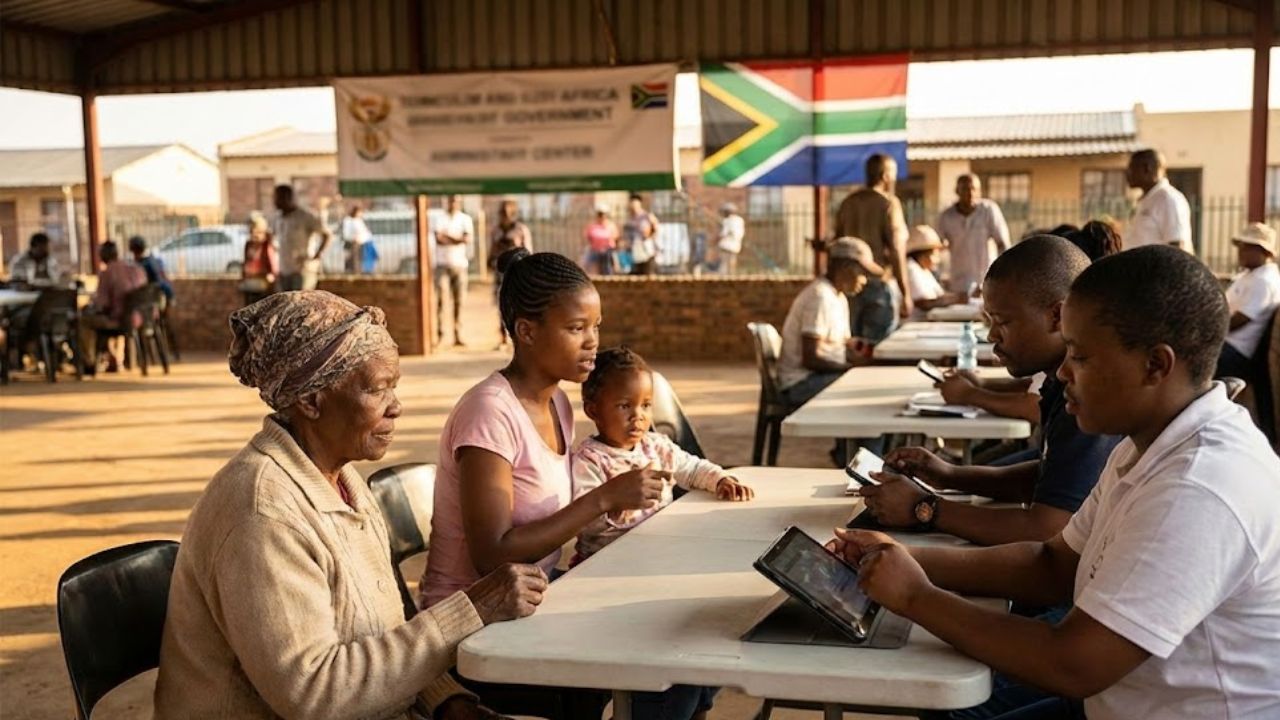
How South Africa’s Customised Benefit Review System Will Work
It is expected that the new framework will have both digital verification tools and more checking between agencies. Biometric identity verification and better database integration should make assessments faster and safer. People who apply might notice that automated status updates show changes in income or employment more quickly. Also, figuring out how vulnerable a household is could help you figure out which cases are most important, especially for older people and people with disabilities. SASSA hopes that these changes will make the welfare review process more transparent and speed up the time people have to wait.

What the February 2026 Welfare Reform Means for People Who Get Grants
The biggest change for the millions of people who get Old Age, Disability, or Child Support Grants may be that they can be more flexible. The new system will keep track of verified changes with continuous eligibility monitoring, so people won’t have to deal with sudden suspensions because of old records. This method could help reduce payment delays that come out of the blue and make it faster to respond when things change. The new system has built-in protections for beneficiaries whose income is not steady or is always changing. In the end, the change means that planning for support will be based on real needs and proof from the household.
Why This Is a Big Deal for Social Grants in South Africa
Part of South Africa’s larger push for digital governance and accountability is the end of benefits that work for everyone. Using smarter data systems, officials want to give targeted financial help while keeping public money safe. If done right, the reform could restore people’s faith and put an end to long-running arguments about delays or suspensions. But clear communication will be very important to keep people from getting confused. These smarter welfare assessments will only work if they are fair, easy to understand, and open as February 2026 gets closer.
| Feature | Current System | From February 2026 |
|---|---|---|
| Income Verification | Manual declarations | Real-time cross-checking |
| Identity Checks | Document-based review | Biometric verification tools |
| Eligibility Reviews | Periodic manual reassessment | Continuous monitoring system |
| Payment Disruptions | Higher risk of suspension | Reduced through live updates |
| Processing Speed | Long waiting periods | Faster digital decisions |
Commonly Asked Questions
1. When will the SASSA tests that are smarter begin?
In February 2026, the new system for checking welfare will be used all over the country.
2. Will people who get grants have to apply for them again?

Most people who currently get grants should be able to switch over without having to fill out a new application.
3. Can grants be put on hold in the new system?
Grants may still be looked at, but the goal of constant monitoring is to stop sudden suspensions.
4. What steps will SASSA take to protect personal information?
Officials say that better digital security and biometric systems will protect private information.