Australia is getting ready for big changes to the rules for provisional drivers. In 2026, young drivers will have to follow stricter rules and face harsher penalties. The change shows that the old P-plate system was too lenient. To make roads safer, state and territory transport authorities are looking into penalties, demerit thresholds, and monitoring systems. This means that thousands of people with learner and provisional licenses will have to quickly adjust to a stricter driving environment. Knowing what’s changing and why could mean the difference between keeping your licence and facing serious consequences.
What You Need to Know About Australia’s New P-Plate Driving Penalties
Goodbye to Old P-Plate Rules as the Crackdown Begins in 2026
From 2026, provisional licence holders in some Australian states may have to follow stricter rules about driving at night and carrying passengers. Also, using a phone while driving could lead to a “instant licence suspension,” even for a first offence. Authorities are also looking at the standards for “hazard perception testing” to make sure that drivers show a better understanding of real-world situations before getting a full licence. The goal is to lower the number of crashes that could have been avoided while also encouraging long-term road discipline. These changes show how important it is for families to mentor young drivers more actively during their provisional years.

How the 2026 changes to driving laws affect provisional drivers
The change from older P-plate rules will probably mean more compliance checks and higher fines. Random inspections on the side of the road may become more common, thanks to automated plate recognition systems that can quickly find drivers who shouldn’t be driving. Insurance companies are also keeping a close eye on things because if violation rates go up, they might do “risk-based premium reviews.” Young drivers may be able to avoid problems by getting used to these new rules early on. It’s very important to build safe habits now, especially since authorities want to make sure that graduated licence reforms are followed more consistently in all areas.
How These P-Plate Changes Will Affect Road Safety
Some drivers may think the changes in 2026 are too harsh, but policymakers say they are based on changing traffic patterns and data-driven enforcement. Road safety standards are getting stricter across the country because of more traffic, better surveillance tools, and higher public expectations. The main goal is to keep all road users safe, not just new drivers. If done right, these changes could lower the number of accidents, promote responsible driving, and make Australia’s licensing system stronger. To get through this new time of accountability, provisional drivers will need to be aware and ready.
Key Change Old Rule Proposed 2026 Update Demerit Point Limit Higher tolerance threshold Reduced point allowance Mobile Phone Offences
 SASSA Bonus Grants 2026 Explained With Payment Schedules and Verification - What Beneficiaries Need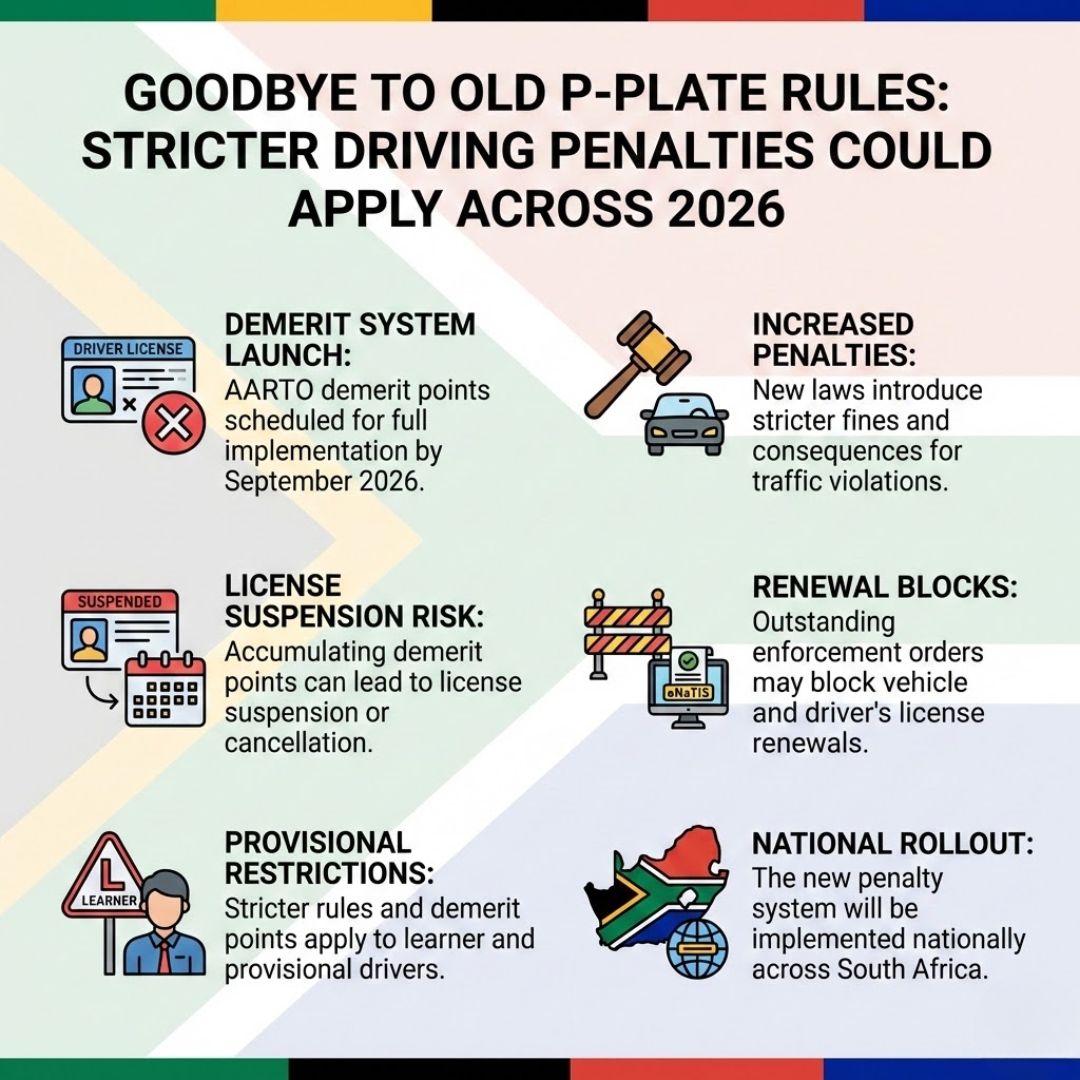
Common Questions (FAQs)
1. When will the new rules for P-plates start to work?
Most of the proposed changes are expected to happen gradually across Australia in 2026.
2. Will all the states in Australia have to follow the same rules?
Laws may be a little different from state to state, but many reforms want to make things more consistent across the country.
3. Under the new system, can one offence lead to suspension?
Yes, some serious violations, like using a cell phone, could lead to immediate suspension.
< h44. Do these changes also apply to people who are learning to drive?
Some measures may apply to students, but the strictest updates are only for people who have a provisional licence.